Defence is undergoing a major shift, with the UK Government’s 2025 Strategic Defence Review and 2026 Defence Investment Plan putting warfighting readiness, NATO-first thinking and faster innovation at the heart of national security. For the UK and its allies, the outcome required is clear: secure, coherent and rapid decision-making across multi-domain operations.
Much of this transformation is framed around new technology – platforms, data, AI, autonomy and digital infrastructure. But for commanders, analysts, engineers and operators, one question is just as important: can the software effectively support the decision-making process when the pressure is highest?
In operational environments, user experience isn’t about polish, it’s about reducing risk, supporting judgement and enabling quicker decisions cycles. Poorly designed interfaces increase cognitive load, slow responses and create avoidable risk. For defence, that could have significant impact on safety, security and mission success.
As defence becomes more technologically driven, the way people interact with digital systems becomes central to developing and elevating capability. Advanced technology only delivers advantage if users can interpret complex data, manage alerts and act across connected systems quickly and securely.
This is especially important in multi-domain operations, where information must move reliably between domains, partners and decision-makers. With NATO’s focus today built around interoperability, security and trusted digital capability; usability is therefore not a cosmetic issue, it’s a practical condition for turning information into decisive advantage.
For software teams, this means designing based on the realities of operational use: contested environments, time pressure, incomplete information and devastating consequences. Users do not need more steps or visual noise, instead, they need clarity, prioritisation and workflows that support the mission.
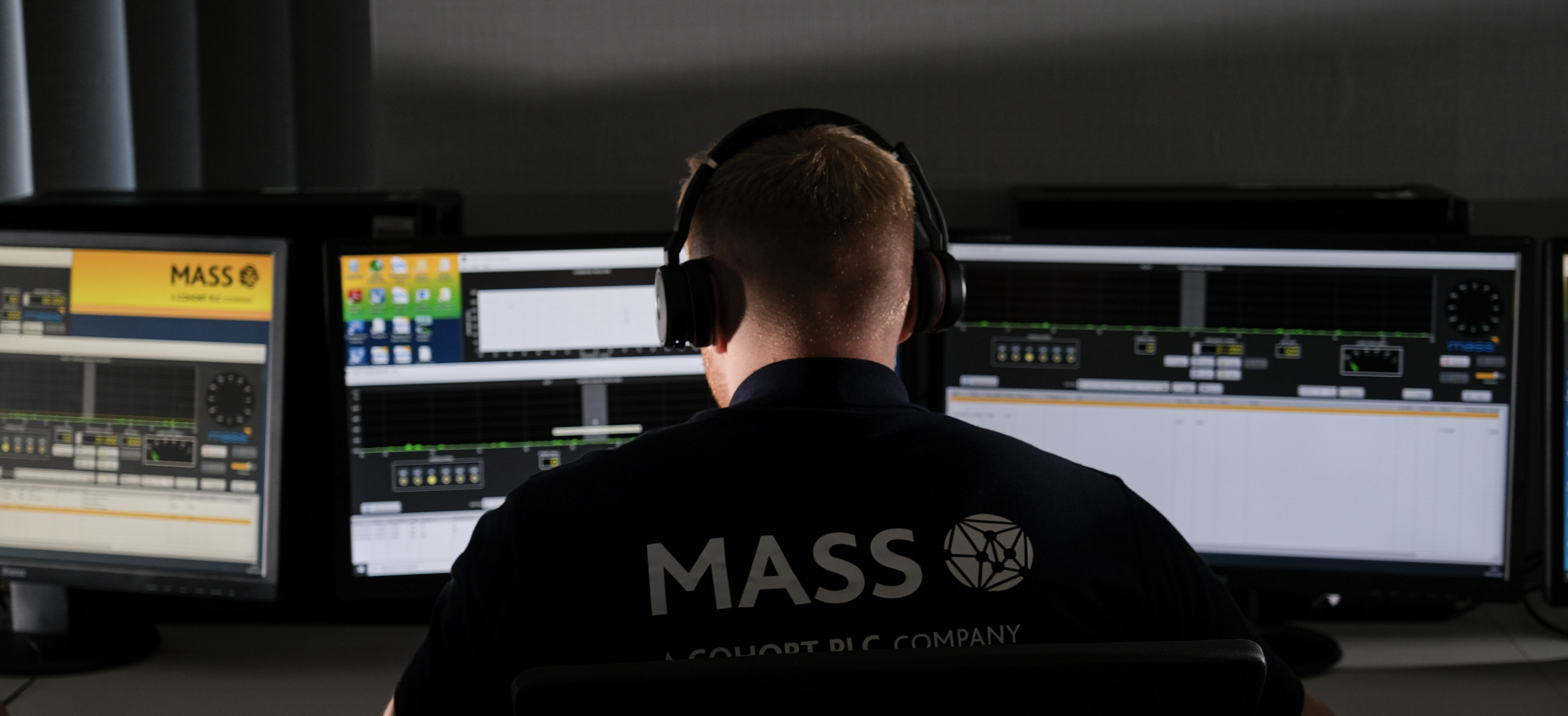
This is where MASS’ software development capability comes in. We start with the operational challenge, not an off the shelf solution. By combining UX expertise with deep domain knowledge, we help ensure software reflects how commanders and EW operators actually work. By bringing together secure software engineering, architecture, testing, synthetic experimentation and user experience, we deliver solutions that are secure, integrated, usable and trusted. The aim is not to simplify defence complexity, but to make it manageable for the people who must act on it.
For our customers and delivery partners, the benefits are tangible: lower programme risk, fewer late-stage changes, stronger user adoption and greater confidence that digital capability will deliver operational value when it matters.
Find out about our secure Software Development offering here .